Why your equipment works hardest exactly when you can least afford a failure, and the numbers behind what you already see every July.
If you run facilities across more than a handful of sites, none of this is news to you. You know what summer does to your week: the service calls cluster, the "it's not cooling right" emails pile up, and the locations you never think about are suddenly the ones calling at 4 p.m. on the hottest day of the year. You've lived it. You know the drill.
So this isn't a reminder. It's the data behind what you already see, the kind of figures worth having in writing when you need to make the case to a boss or a finance team that hasn't spent a July on a roof.
Cooling is the biggest lever, and the numbers back it
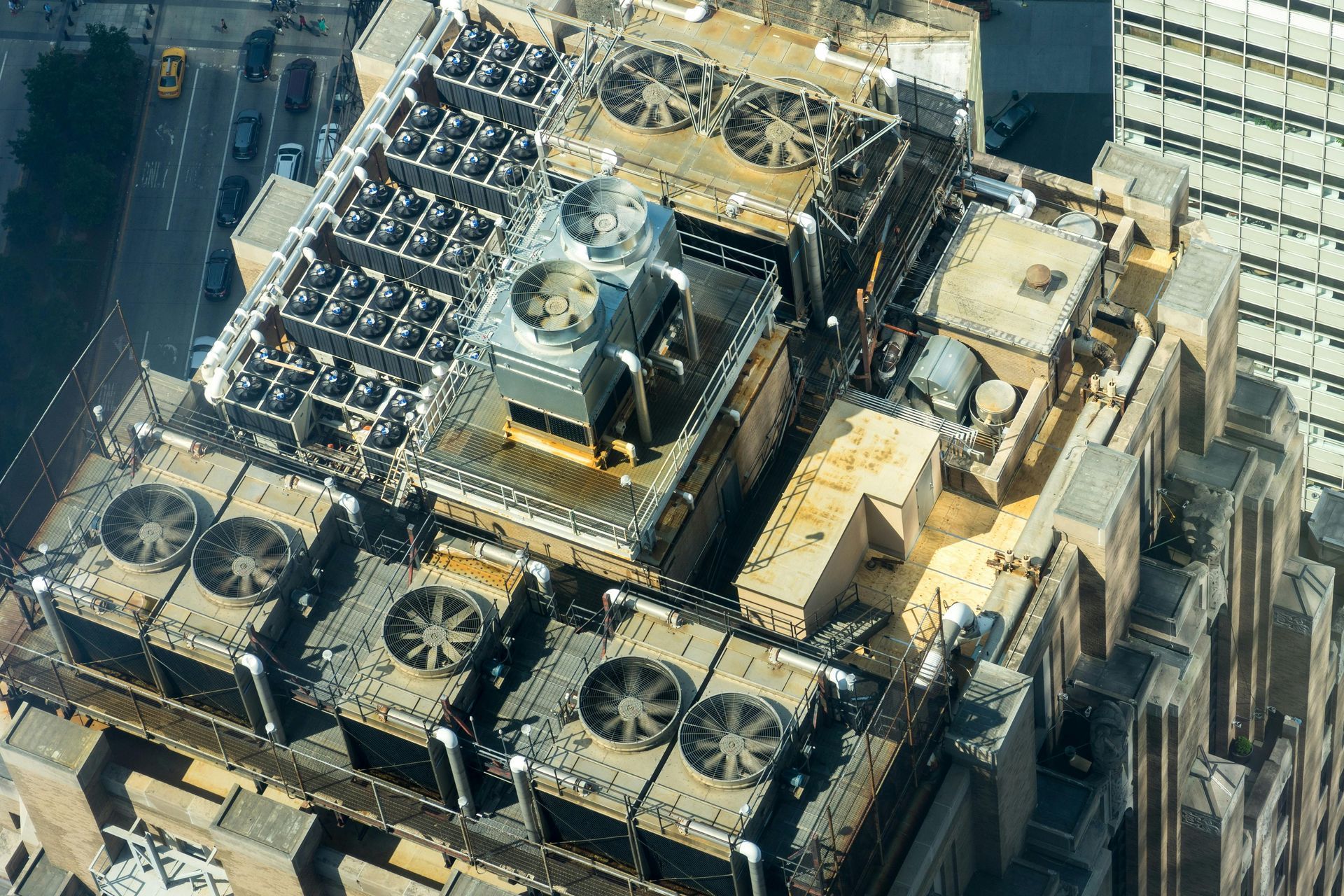
No surprise where the energy goes, but it helps to have the figures. In commercial buildings, heating, cooling, and ventilation run about 44 percent of on-site energy, the single largest end use, according to the U.S. Department of Energy. For the small, distributed buildings most multi-site operators run, the workhorse is the rooftop unit, and the DOE estimates RTUs heat and cool roughly 60 percent of U.S. commercial floor area while consuming close to a fifth of all the energy those buildings use.
Cooling alone is the second-largest draw on a commercial building's electricity, behind only lighting, per ENERGY STAR, and it is the most seasonal load you carry. U.S. electricity demand reliably peaks in July or August as air conditioning ramps up nationwide, according to the U.S. Energy Information Administration. Which is to say what you already know in your gut: the cooling side is where the biggest lever sits, and summer is when pulling it matters most.
What the heat does to a unit, in numbers
You know the mechanism of cooling. A rooftop unit moves heat from inside the building to the air outside, and the hotter it gets out there, the less gap it has to dump that heat into. The useful part here is putting figures to what you already feel in August.
Most equipment is rated at around 95°F outside. Past that, performance falls off. A common industry rule of thumb puts the loss at roughly 1 to 2 percent of efficiency for every degree above that rated point, so in a real heat wave a unit can end up delivering only 80 to 90 percent of its rated capacity right when the building is asking for the most. You see it as spaces that won't hold a setpoint no matter how long the unit runs.
You've also watched where that extra runtime goes:
- The compressor takes the hit. It is the most power-hungry part of the system, and sustained heat keeps it running longer and hotter, which is what turns a tired compressor into a dead one.
- Electrical parts fail in clusters. Capacitors and contactors are classic heat-wave casualties, which is exactly why the failures bunch up on the worst days instead of spreading out.
- Refrigerant pressures climb, and any unit that is slightly undercharged or dirty loses efficiency on top of the heat penalty. Research on charge levels found that running at 75 percent of design charge can cut seasonal efficiency by about 16 percent and add roughly 100 dollars per ton of capacity in annual operating cost.
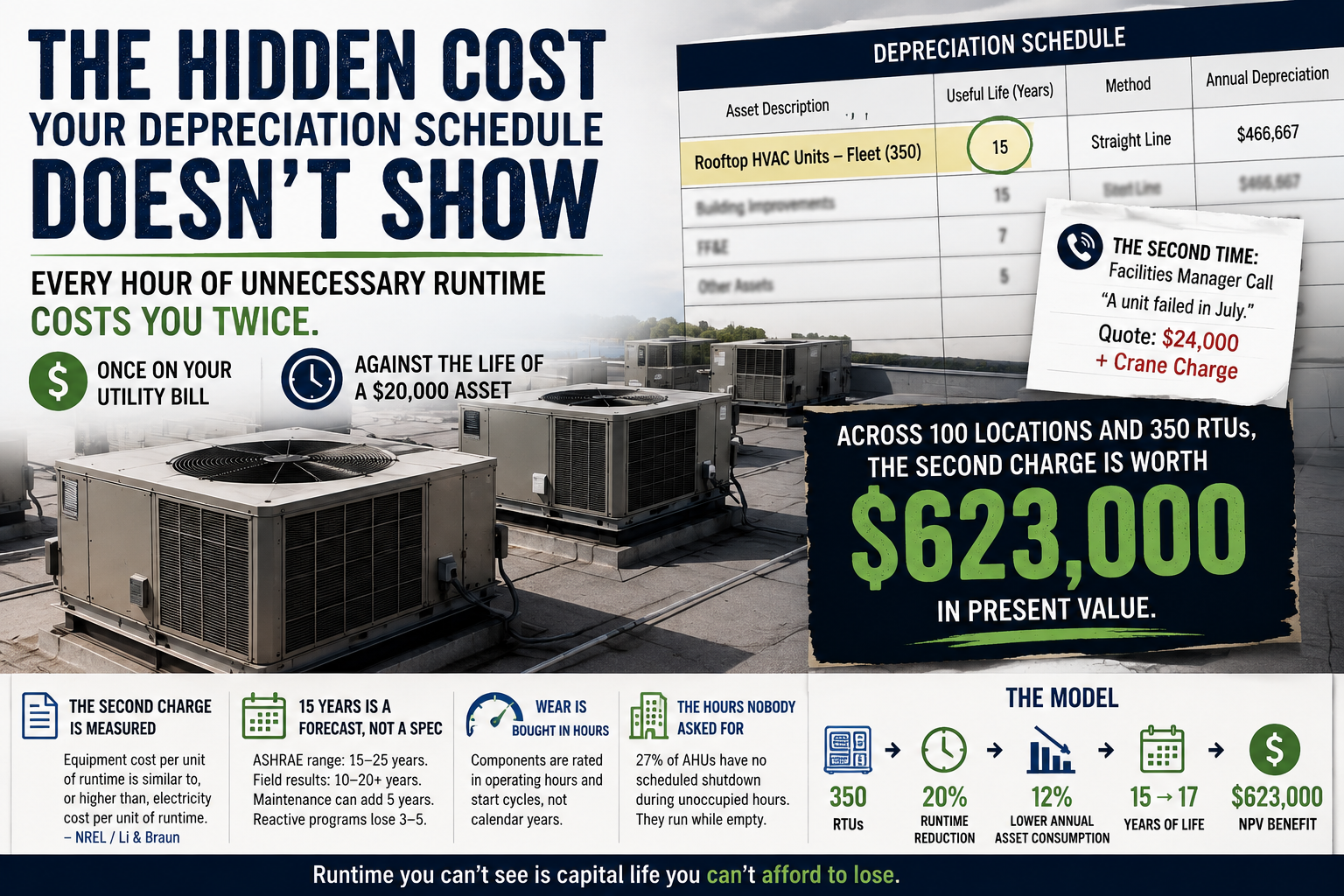
The point you already make to anyone who'll listen: heat doesn't just raise the bill. It accelerates wear and turns small, ignorable issues into emergency calls.
The part that isn't about expertise
Here's where
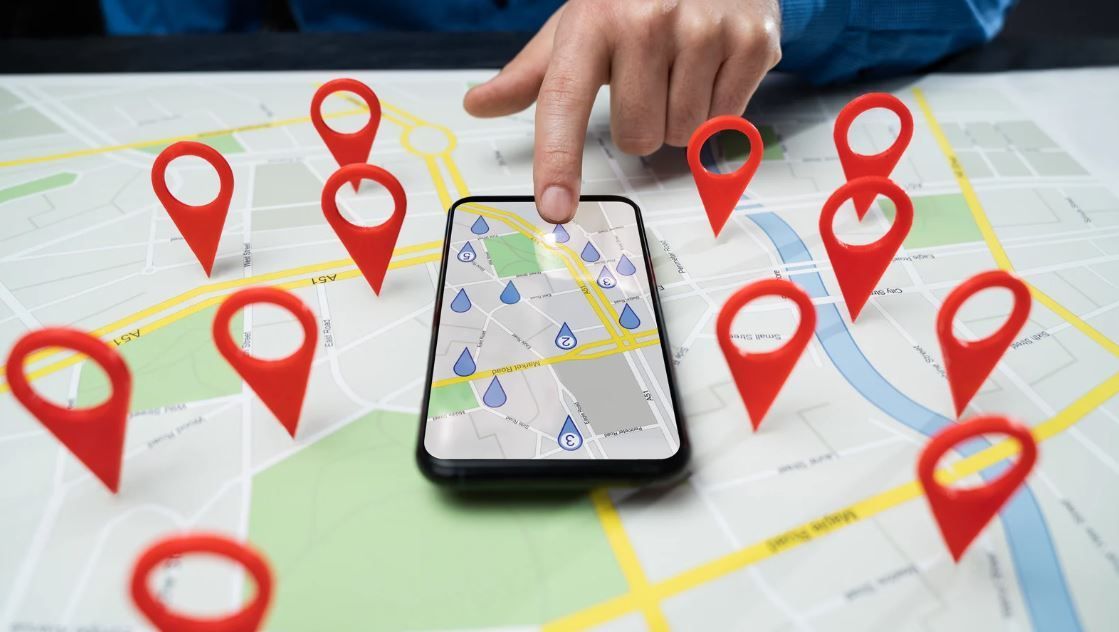
multi-site is its own animal, and it has nothing to do with how good you are. On one building, a struggling unit eventually announces itself. Across thirty or a hundred, it doesn't. A unit that's short-cycling, running on a clogged coil, or fighting a setpoint someone changed back in April can run that way for months. The energy bleeds out quietly, and the first real signal is a comfort complaint or a failure on a 100-degree afternoon.
Look across a big enough portfolio and you almost always find one or two sites working far harder than the rest, with no one aware. That's where the waste and the risk concentrate. Finding problems once they're screaming was never the hard part. Knowing which sites are headed there is.
The playbook isn't the gap. Line of sight is.
None of the summer playbook is news to you. Coils and filters, refrigerant charge, right-sizing, setpoint and schedule discipline. You could recite it in your sleep. The hard part was never knowing what to do. It's knowing where it isn't getting done, across every site, before the heat finds it first.
That's the lens worth putting on each of these:
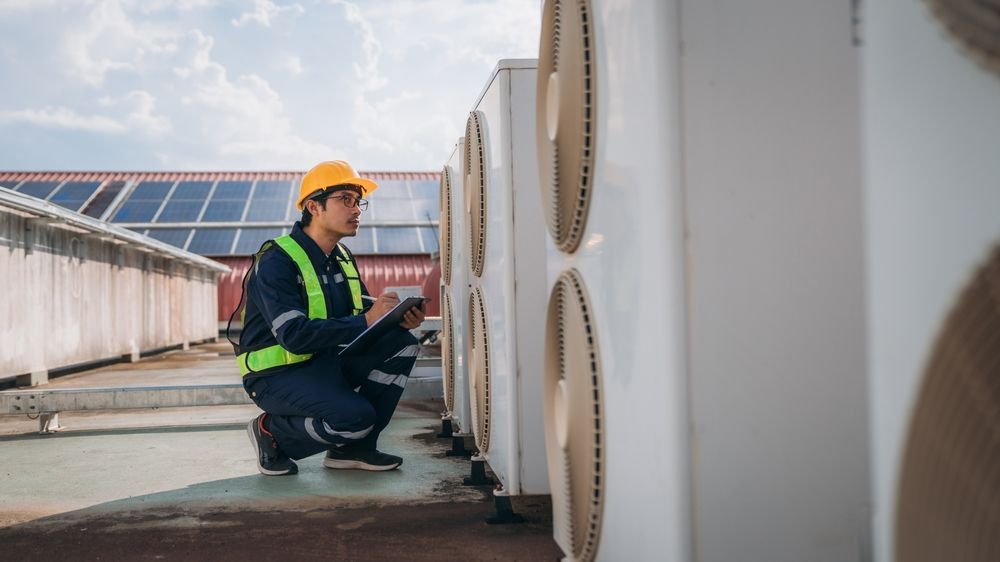
- Coils and filters. A clogged condenser coil makes a strained unit reject heat even worse in exactly the conditions where it can't afford to, and filters are the cheapest efficiency there is. You know that. Across fifty sites, the only real question is which ones actually got serviced.
- Refrigerant charge. Undercharge is common, invisible without a gauge, and expensive in both energy and capacity, as the charge research shows. It rarely announces itself until a hot day.
- Oversized units. ENERGY STAR puts at least 25 percent of rooftop units in the oversized bucket, which drives cost and wear through short-cycling. Worth knowing which of yours qualify before anyone spends on a replacement.
- Setpoint and schedule drift. Cooling an empty building overnight or on a weekend is pure waste, and a one to two degree setpoint move adds up fast across a portfolio. The catch is whether the strategy you set in the office is what every site is actually running.
- Short-cycling and runaway runtime. A unit that never reaches setpoint and never shuts off is both burning energy and grinding toward failure. The earlier it's caught, the cheaper it stays.
- Truck rolls that didn't need to happen. A real share of summer dispatches turn out to be a setpoint, a schedule, or a nuisance alarm. Confirming what's actually wrong first saves the call and the comfort window.
The leverage is real: the DOE has found that upgrading rooftop units or adding advanced controls can cut their cooling energy 20 to 50 percent. You don't have to catch all of it. Catching two or three struggling units before peak usually pays for the whole effort.
What it all comes down to
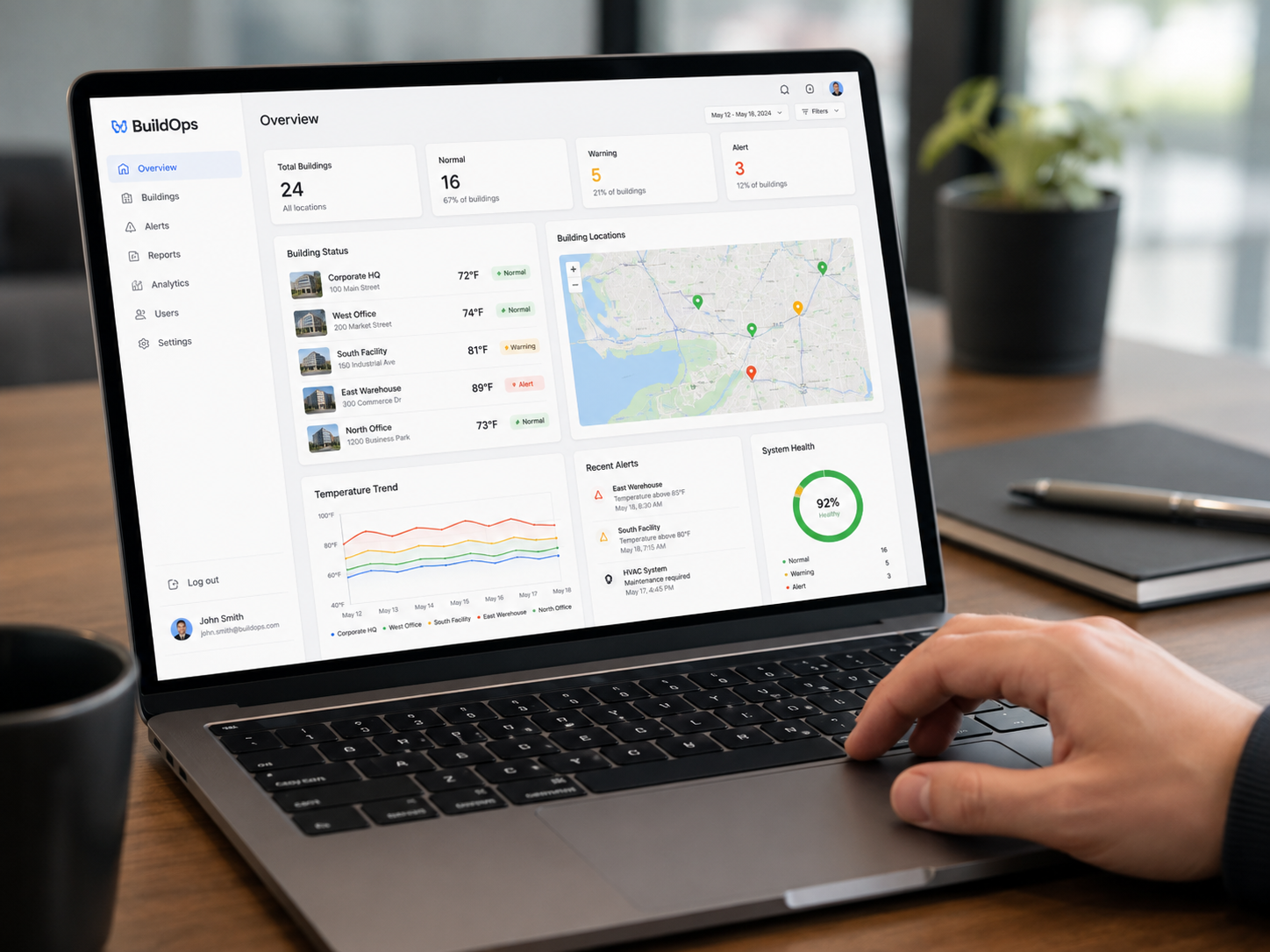
Notice what every one of those shares. It isn't expertise. You have that. It's line of sight, knowing what your equipment is actually doing, at every site, before the hot afternoon forces the question. You can't tune a setpoint you can't see, catch a short-cycling unit you aren't watching, or send the right truck without knowing which site is genuinely in trouble.
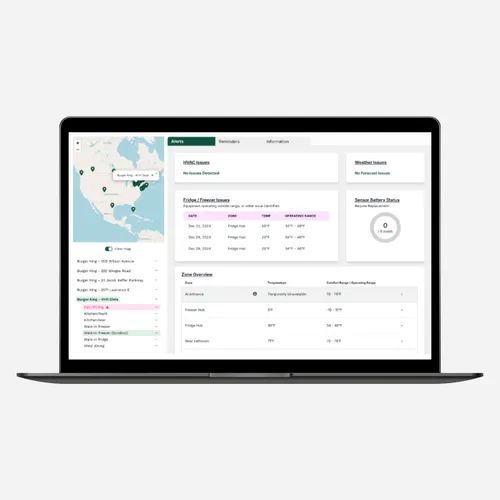
That's the summer advantage, and it's less about any single fix than about not being surprised. When runtime, temperatures, and alarms across the whole portfolio sit in one place, the hottest day of the year stops being the day you find out and starts being a day you were already ahead of.
Keeping every building comfortable is hard enough. The calm comes from knowing.
Sources
- U.S. Department of Energy / GSA, HVAC share of commercial building on-site energy (44%) — gsa.gov
- U.S. Department of Energy, Rooftop units: share of floor area and energy, 20–50% savings from controls — energy.gov
- ENERGY STAR, Light Commercial Heating & Cooling: cooling as share of commercial electricity, oversizing of rooftop units — energystar.gov
- U.S. Energy Information Administration, Summer peak electricity demand and air conditioning — eia.gov
- NREL, Understanding Commercial Building Energy Use (HVAC share of electricity) — nrel.gov
All figures are drawn from public government and industry sources and reflect general U.S. commercial building data. Individual building and equipment performance will vary.