The Commercial HVAC Maintenance Checklist Every Multisite Operator Needs
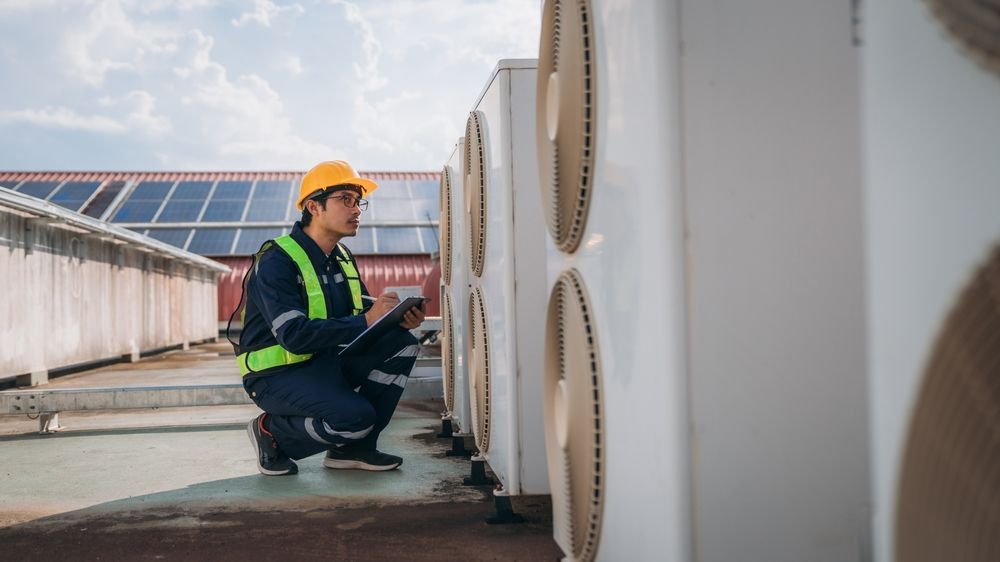
It's the last week of July. Every rooftop unit you own is running flat out, and the one location that's been "a little warm" since spring just went down on a Friday afternoon. If that scenario makes your stomach drop, this commercial HVAC maintenance checklist is for you. It covers what to check monthly, what to check seasonally, and how to keep tabs on all of it when your buildings are spread across three states.
Why Summer Raises the Stakes
HVAC preventive maintenance isn't glamorous, but summer is when the items that slip get expensive. Heat adds load, and load finds weaknesses. A clogged filter that was tolerable in April becomes a frozen coil in July. A compressor that short-cycles quietly all spring finally quits during a heat advisory.
The costs stack in three ways. Emergency service calls bill at premium rates. Struggling equipment burns more energy every hour it runs. And a hot dining room or showroom pushes customers right back out the door.
The fix isn't complicated. It's consistency, at every location. None of what follows will be news to you. Consider it a reminder list for the season when fire drills crowd out the fundamentals.
Thermostats and Schedules
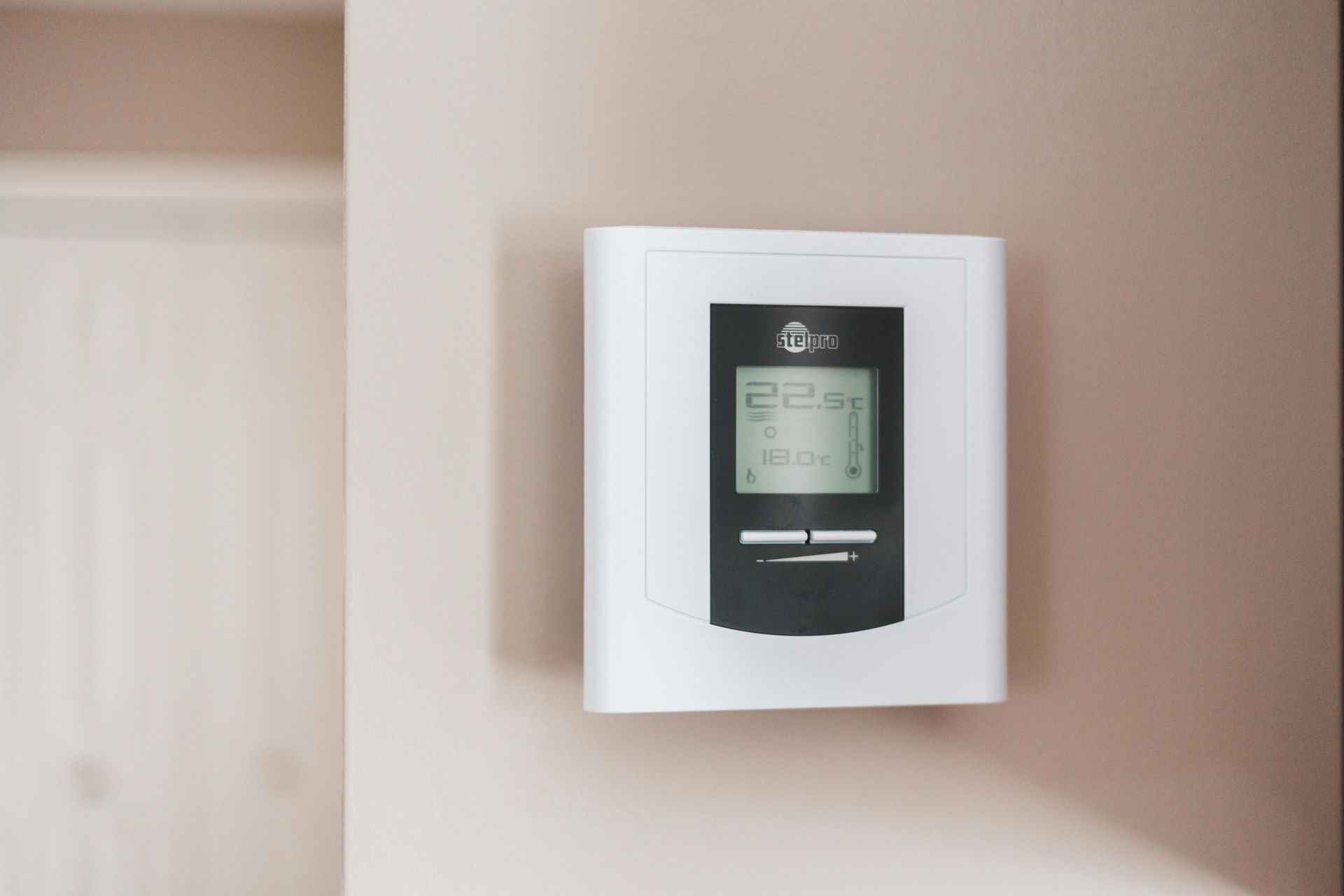
Verify setpoints and schedules at every location. Drift is real: a manager overrides the schedule during a heat wave, and three months later the unit still starts at 5 a.m. on Sundays. Temperature guardrails on a smart commercial thermostat prevent exactly this. Staff can adjust within a range, but nobody can set the building to 62°F and walk away.
Filters and Airflow
Check filters monthly during cooling season and replace them on a fixed schedule, not "when they look dirty." Confirm supply vents are open and unblocked. Walk the space and note any rooms that feel off. Hot corners usually show up in complaints before they show up on a bill.
Also monthly: listen for new noises at startup, check condensate drains for backup, and glance at the electrical disconnect for signs of overheating.
Field Note
Write the install date on every filter frame with a paint marker. When a tech or manager opens the panel, there's no debate about whether "someone changed it recently." Cheap, low-tech, and it settles arguments instantly.
The Seasonal Checklist: Quarterly and Annual Items
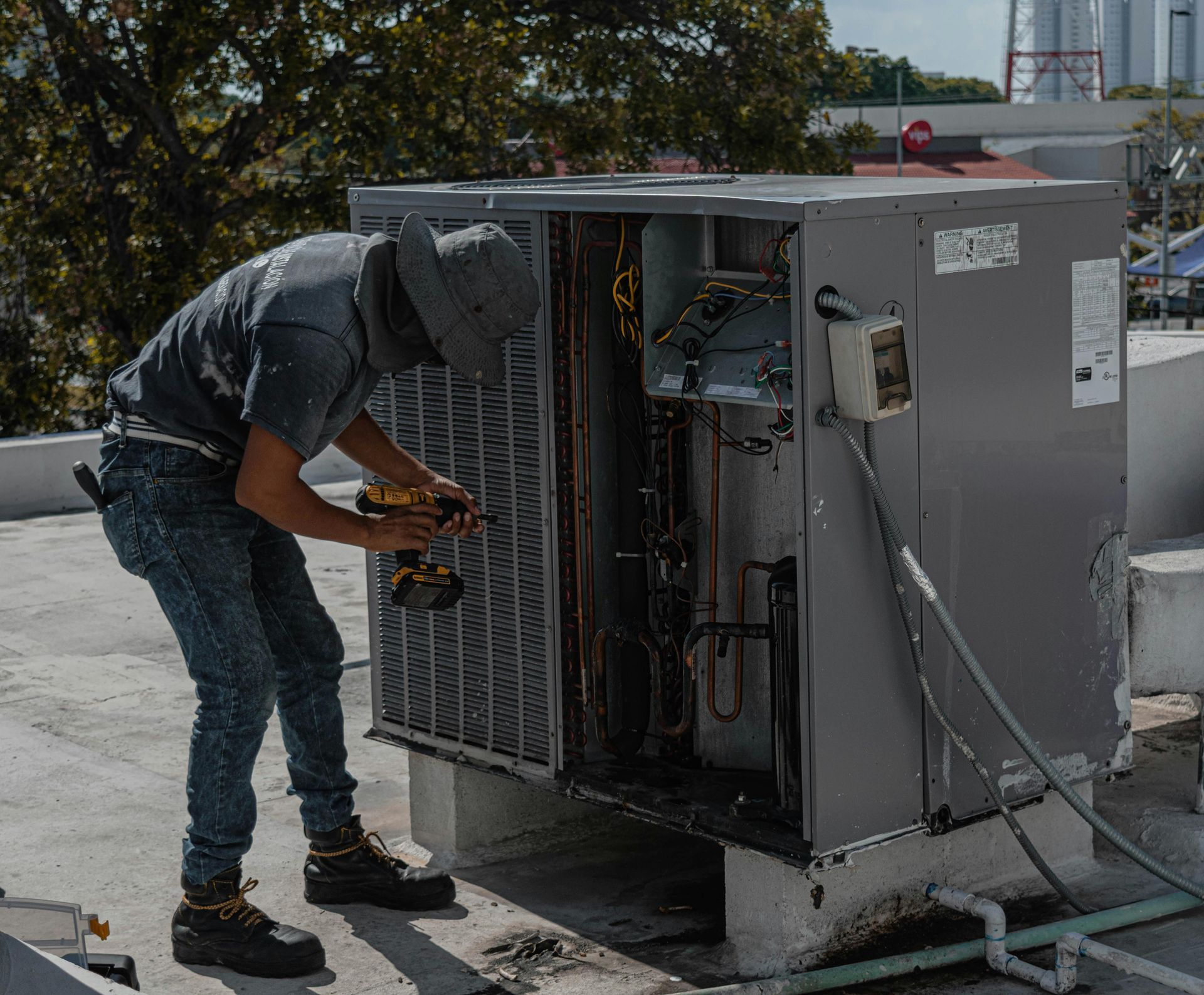
Quarterly, have someone check outdoor coils and clear debris. Cottonwood fluff and dumpster-area grime choke condensers fast. Inspect belts for wear, confirm refrigerant lines are insulated, and test economizers if your units have them.
Annually, bring in a licensed technician for the deeper work: refrigerant charge verification, electrical connection torque checks, blower assembly cleaning, and heat exchanger inspection before the seasons flip. Fall is for heating prep; spring is for cooling prep. July, frankly, is for catching what spring missed.
The Multisite Problem: You Can't Walk Every Roof
Here's where the standard checklist advice breaks down. A single-building owner can walk the roof. You can't, not across 15, 40, or 200 locations.
What we hear from operators again and again: the checklist exists, but compliance is invisible. Did the Knoxville store actually change filters? Is the unit in Columbus short-cycling? You find out when the invoice or the complaint arrives.
That's the real gap in most maintenance programs. It isn't knowledge. It's visibility.
Worth a Second Look
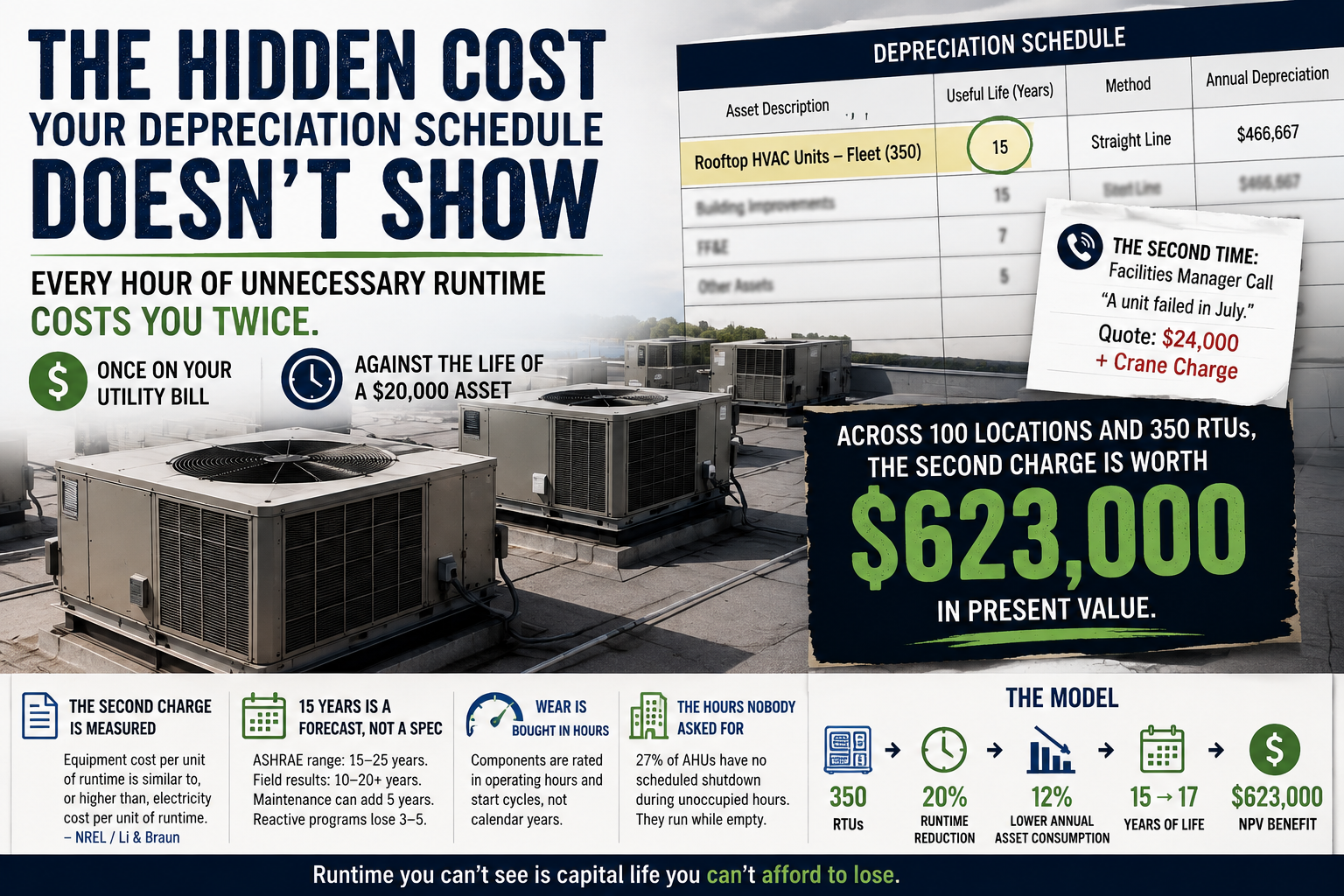
Deferred maintenance doesn't show up as a line item, so it hides. The energy waste from one degraded RTU rarely triggers alarm on a utility bill. But multiplied across a portfolio and a full cooling season, it's often the difference between hitting and missing a facilities budget. If you manage costs like a CFO, the checklist is a financial control, not a chore list.
Turn the Checklist Into a System With Monitoring
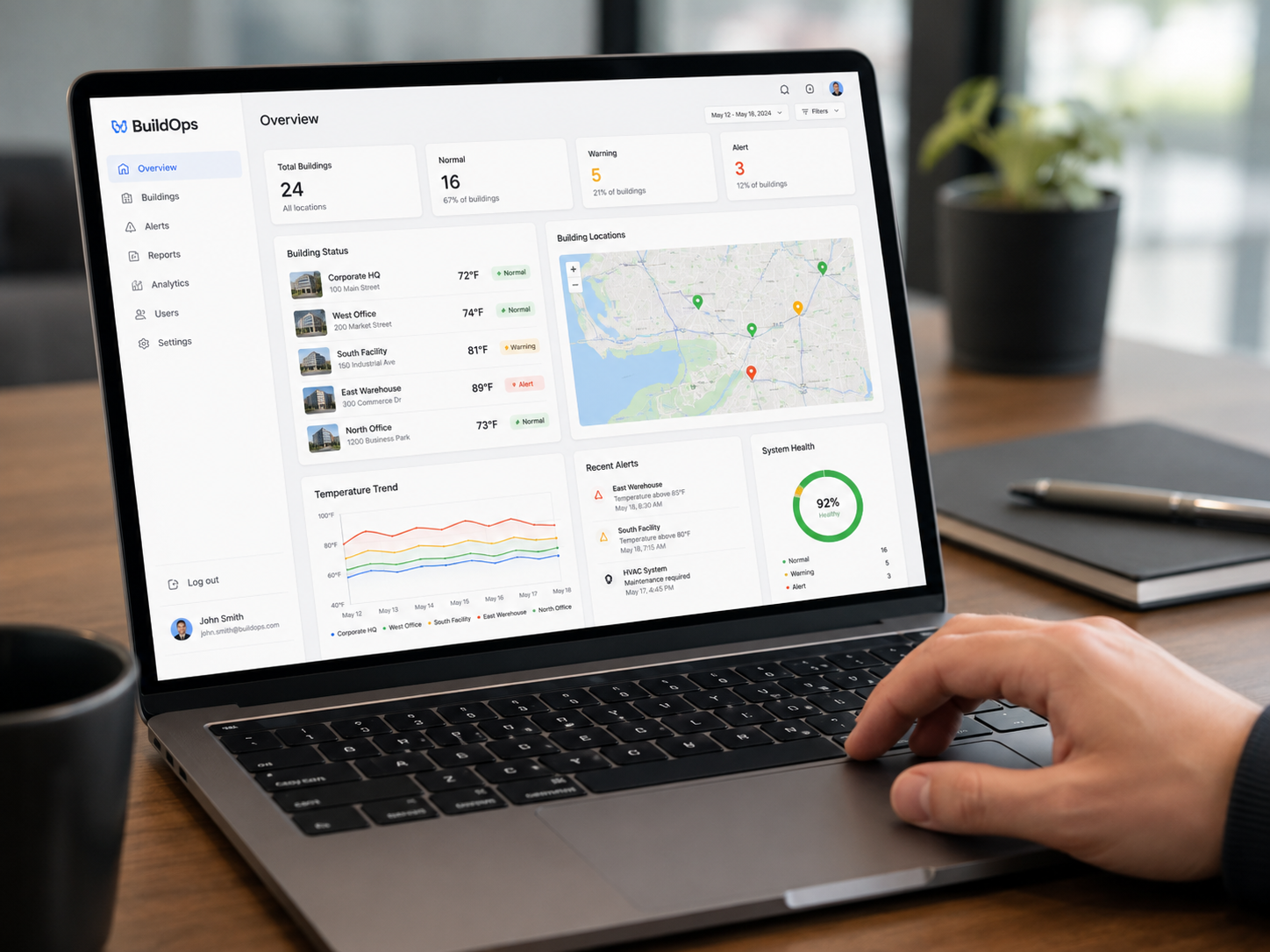
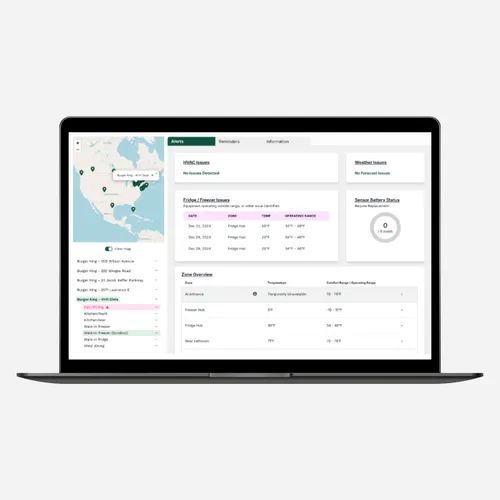
A checklist tells you what should happen. An HVAC monitoring system tells you what actually did. Runtime data reveals a unit that's cycling too often. Supply-air temperatures flag a failing compressor weeks before it dies. Alerts surface the location that quietly overrode its schedule.
Cognition Controls has built a reputation among multisite operators for making this kind of visibility affordable at scale, with cellular-connected controls your local staff or HVAC contractor can install, feeding every location into a single dashboard. That's why restaurant groups, retailers, dealerships, and municipalities turn to them when the portfolio outgrows the clipboard, and why their remote troubleshooting data means fewer truck rolls from your service contractor.
If you want the budget-level view of what that visibility is worth, the energy management guide for multisite CFOs breaks down the numbers.
When to Bring In an HVAC Pro
Some jobs aren't DIY, even for capable facilities staff. Call a licensed technician for refrigerant work, electrical repairs, compressor diagnostics, and anything involving gas heat exchangers. The monthly checklist keeps small things small; the pro visits keep big things from happening. A good monitoring setup makes those visits cheaper too, because the tech arrives already knowing what the equipment has been doing.
Keep Your Cool (and Your Cash Flow)
A commercial HVAC maintenance checklist only works if it runs at every location, every month, whether anyone's watching or not. Pair a simple routine with real visibility and summer becomes just another season. Book a demo to see what your buildings have been trying to tell you.
FAQs
What's the best commercial HVAC maintenance checklist for multisite businesses?
The best checklist is short enough that staff actually complete it: monthly thermostat schedules, filters, airflow, and condensate drains; quarterly coils and belts; annual professional service. Then add remote monitoring so completion and equipment health are verifiable across every location instead of assumed.
How much does preventive HVAC maintenance actually save?
Industry estimates generally put preventive maintenance savings at 10-20% of HVAC operating costs versus run-to-failure, between energy efficiency, longer equipment life, and fewer emergency calls. The bigger multisite win is avoiding downtime. A single peak-season outage at one location can erase a year of maintenance spend.